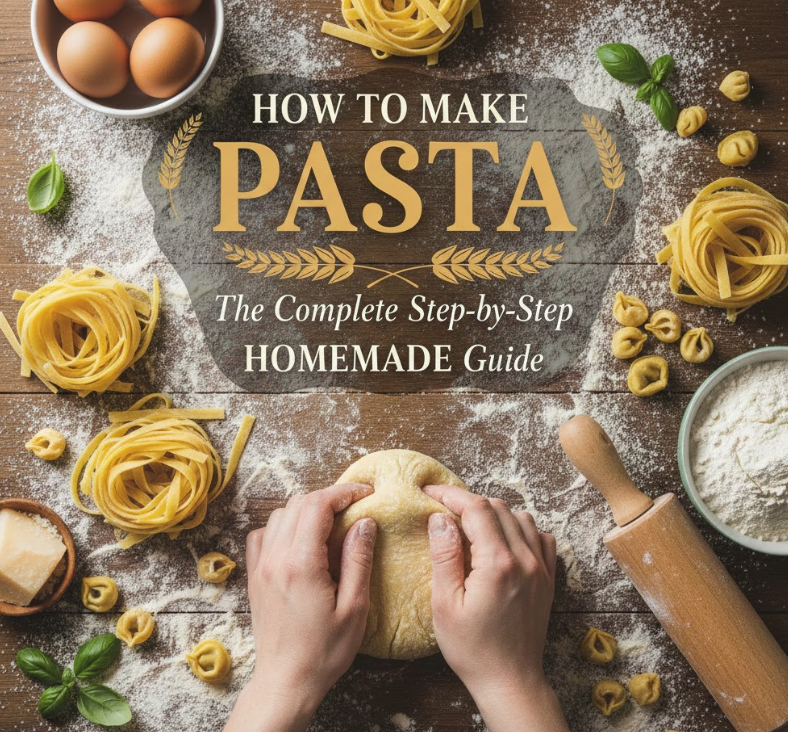
Learning how to make pasta at home is one of the most satisfying culinary skills you can develop. Fresh pasta has a delicate texture, rich flavor, and tender bite that dried boxed pasta simply cannot match. While pasta is a staple in kitchens around the world, its roots trace back to Italy, where culinary traditions have been refined over centuries. Organizations such as Accademia Italiana della Cucina preserve traditional Italian recipes and techniques, emphasizing authenticity and ingredient quality.
Making pasta from scratch may seem intimidating, but it is surprisingly simple when broken into clear steps. With just flour, eggs, and a little patience, you can create silky sheets, tender noodles, and comforting dishes that rival restaurant-quality meals. Beyond taste, homemade pasta allows control over ingredients, freshness, and texture.
In this in-depth guide, you will learn how to make pasta dough, how to make pasta from scratch, how to make pasta sauce, and how to make pasta salad. Each section provides detailed techniques, practical insights, and expert tips to ensure success in your kitchen.
How to Make Pasta Dough
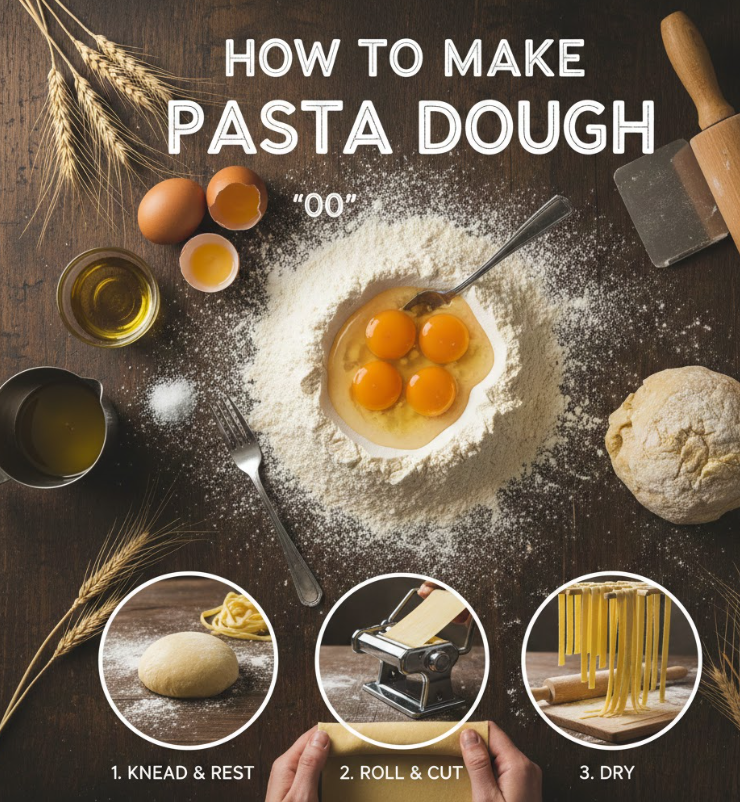
Pasta dough is the essential foundation of all fresh pasta dishes. Understanding how to make pasta dough properly ensures your final product has the right elasticity, texture, and flavor. Traditional Italian pasta dough typically combines flour and eggs, although regional variations use semolina flour and water.
The key to perfect pasta dough lies in balance. Too much flour results in dry, crumbly dough; too much liquid produces stickiness. Kneading develops gluten, which gives pasta structure and chewiness. Resting the dough allows gluten to relax, making it easier to roll and shape.
Essential Steps to Prepare Pasta Dough
• Choose the Right Flour for Structure and Texture
Selecting flour determines the texture of your pasta. All-purpose flour works well for beginners, while “00” flour creates a softer, silkier texture. Semolina flour provides firmness and is commonly used in southern Italian styles.
The protein content in flour affects gluten development. Higher protein yields stronger dough. For delicate pasta like ravioli, softer flour blends are ideal.
Blending flours can enhance both elasticity and tenderness, producing balanced dough suitable for various shapes.
• Measure Ingredients Accurately for Consistency
Precision ensures reliable results. Standard pasta dough uses roughly 100 grams of flour per egg.
Too much flour leads to stiffness; too little causes stickiness. Measuring by weight ensures professional accuracy.
Consistency builds confidence and prevents common beginner mistakes.
• Create a Well and Incorporate Eggs Gradually
Traditional technique involves forming a flour mound with a center well. Eggs are added slowly and mixed with a fork.
Gradual mixing prevents liquid from spilling and ensures even hydration.
This method improves texture and prevents lumps.
• Knead Thoroughly to Develop Gluten
Kneading activates gluten proteins that provide structure.
Press, fold, and rotate dough for about 8–10 minutes.
Proper kneading creates smooth, elastic dough that springs back when pressed.
• Allow Dough to Rest Before Rolling
Resting relaxes gluten strands.
Cover dough tightly and let it sit for 30 minutes.
Rested dough rolls smoothly without shrinking.
• Test Dough Texture Before Use
Proper dough feels firm yet pliable.
It should not stick excessively to hands.
Adjust with small amounts of flour or water if needed.
Also Read:- How to Hem Pants: The Complete 2026 Guide for Beginners and Experts
How to Make Pasta from Scratch
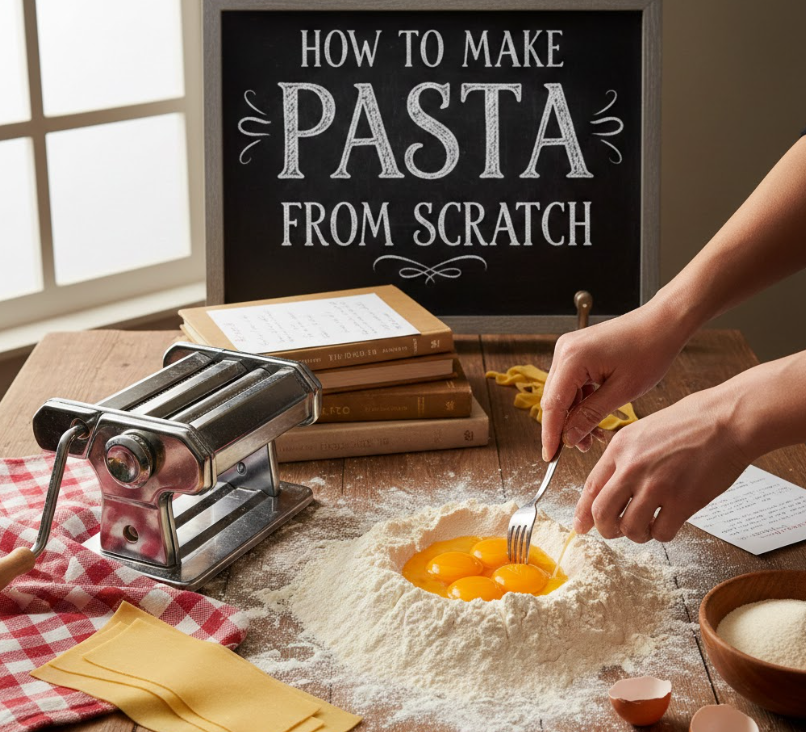
Understanding how to make pasta from scratch involves transforming prepared dough into usable shapes like fettuccine, tagliatelle, or ravioli. This stage requires rolling, shaping, and cutting techniques that influence cooking time and final presentation.
Fresh pasta cooks much faster than dried pasta—often within 2–4 minutes. Its tender texture pairs beautifully with delicate sauces. Rolling dough evenly ensures uniform cooking and professional results.
Step-by-Step Process to Make Fresh Pasta
• Divide Dough for Manageable Rolling
Cut dough into smaller portions.
Smaller pieces are easier to roll thinly.
Cover unused portions to prevent drying.
• Roll Dough Evenly Using a Rolling Pin or Machine
Manual rolling requires patience and even pressure.
Pasta machines simplify thickness control.
Gradual thinning ensures smooth sheets.
• Achieve Desired Thickness for Specific Dishes
Thicker sheets suit lasagna; thinner sheets fit ravioli or tagliatelle.
Consistency prevents uneven cooking.
Professional pasta is nearly translucent.
• Cut Pasta into Desired Shapes
Use knives or pasta cutters.
Even cutting ensures consistent cooking time.
Different shapes pair with specific sauces.
• Dust with Flour to Prevent Sticking
Light flour coating prevents clumping.
Avoid excess flour, which toughens pasta.
Gently toss noodles before cooking.
• Cook in Salted Boiling Water Briefly
Fresh pasta cooks quickly.
Taste for al dente texture.
Drain promptly to preserve softness.
Also Read:- How to Fill Out a Check: The Complete 2026 Step-by-Step Guide
How to Make Pasta Sauce
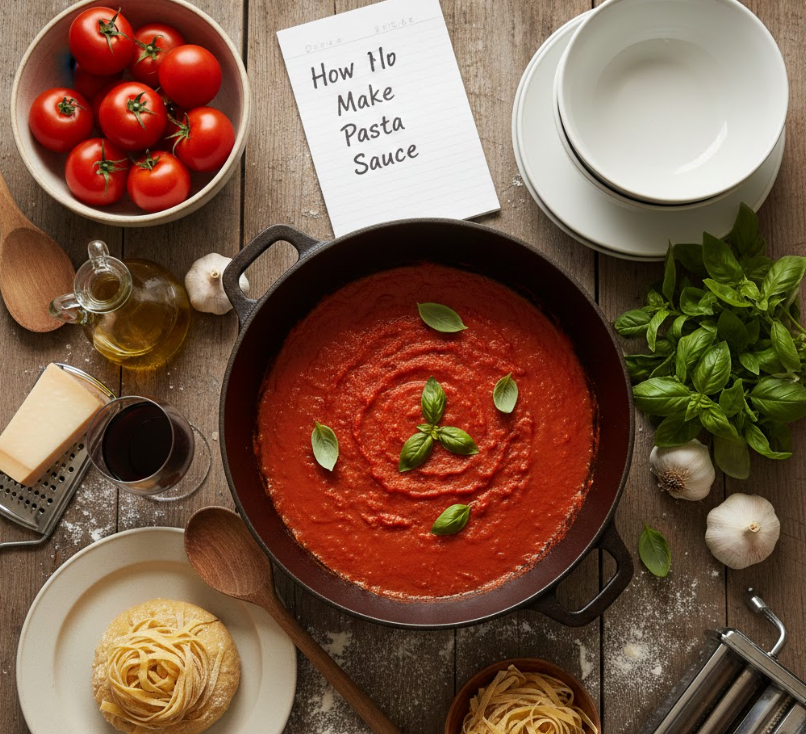
A well-crafted sauce elevates homemade pasta. Learning how to make sauce involves understanding balance—acidity, salt, herbs, and fat. Italian cuisine emphasizes simplicity, often relying on tomatoes, olive oil, garlic, and fresh herbs.
Classic tomato sauce is widely used and endorsed by culinary authorities including Accademia Italiana della Cucina for its authentic preparation methods.
Steps to Create Flavorful Pasta Sauce
• Select High-Quality Tomatoes
San Marzano tomatoes are preferred for sweetness.
Fresh or canned options both work.
Quality ingredients determine depth of flavor.
• Sauté Aromatics for Flavor Base
Garlic and onions build foundational taste.
Cook gently to avoid bitterness.
Olive oil enhances richness.
• Simmer Slowly for Concentrated Taste
Low heat thickens sauce naturally.
Slow cooking deepens flavor.
Patience yields superior results.
• Season Thoughtfully with Herbs and Salt
Fresh basil adds brightness.
Salt balances acidity.
Avoid overpowering flavors.
• Adjust Texture as Needed
Blend for smooth sauce.
Leave chunky for rustic dishes.
Consistency depends on preference.
• Finish with Olive Oil or Butter
Adds shine and richness.
Improves mouthfeel.
Creates restaurant-quality finish.
Also Read:- How to Make Ice Cream: The Ultimate Guide for Beginners & Experts
How to Make Pasta Salad
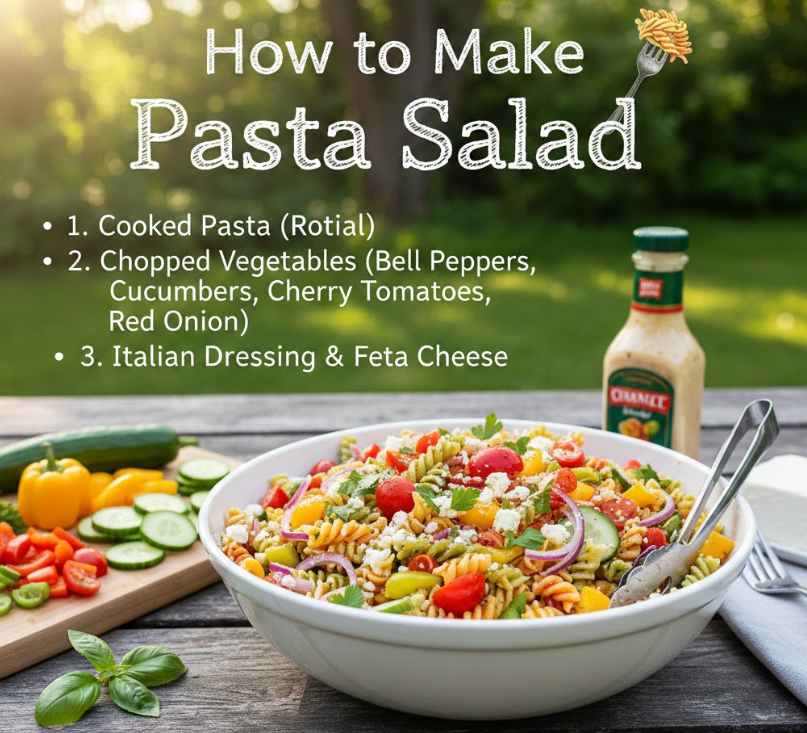
Pasta salad is a versatile dish ideal for gatherings and meal prep. Understanding how to make salad involves balancing textures—firm crisp vegetables, creamy or tangy dressing.
Cold dishes require slightly firmer cooking to prevent sogginess. Proper chilling enhances flavor blending.
Steps to Prepare Delicious Pasta Salad
• Cook to Firm Al Dente
Overcooked becomes mushy.
Firm texture holds dressing better.
Cool immediately after cooking.
• Select Fresh Vegetables and Add-Ins
Cherry tomatoes, cucumbers, olives enhance flavor.
Freshness improves nutritional value.
Colorful ingredients boost presentation.
• Prepare Balanced Dressing
Vinaigrettes provide tangy lightness.
Creamy dressings add richness.
Balance acidity and sweetness.
• Combine While Slightly Warm
Warm absorbs flavor better.
Toss gently to avoid breakage.
Ensure even coating.
• Chill Before Serving
Refrigeration allows flavors to meld.
Serve cold for best taste.
Avoid prolonged storage without sealing.
• Garnish Before Serving
Fresh herbs enhance aroma.
Cheese adds depth.
Final touch improves visual appeal.
Also Read:- How to Make Tea: The Complete Guide for Beginners and Connoisseurs
Benefits of Making Pasta at Home
• Greater control over ingredients
• Fresher flavor and texture
• Creative freedom with shapes and flavors
• Cost-effective for families
• Healthier customization options
• Deep satisfaction from scratch cooking
Also Read:- How to Cut Your Own Hair: A Complete Guide for Beginners
Conclusion
Mastering how to make transforms everyday meals into culinary experiences. From kneading dough to simmering sauce, each step contributes to flavor, texture, and satisfaction. Homemade celebrates simplicity, quality ingredients, and patience.
Whether you are preparing fresh noodles, hearty sauce, or refreshing salad, the techniques outlined in this guide provide a foundation for consistent success. With practice, your confidence and creativity will grow, allowing you to experiment with shapes, fillings, and flavors.
Fresh is more than food—it is tradition, artistry, and comfort combined.
FAQs
How long does fresh last?
Fresh can be refrigerated for 1–2 days or frozen for longer storage.
Can I makePasta without eggs?
Yes, water-based semolina dough is common in southern Italy.
Why is my dough sticky?
Excess moisture causes stickiness; add flour gradually.
Do I need a machine?
No, but it simplifies rolling evenly.
For More Visit Alaikas.com