Learning how to hem pants is an essential skill for anyone looking to improve wardrobe fit, extend the life of clothing, or save money on tailoring. Hemming is more than just folding and sewing; it’s a combination of precision, technique, and understanding fabric behavior.
Whether you purchased pants that are too long or want to adjust the length for style purposes, mastering hem techniques ensures professional results without expensive tailoring. With the right tools and step-by-step guidance, you can hem pants at home, preserve original hems, or use quick fixes like tape.
In this comprehensive guide, you will learn:
• How to hem pants by hand for delicate fabrics or precision
• How to hem pants with a sewing machine for durability
• How to hem pants without cutting fabric
• How to use hem tape for temporary or fast adjustments
• How to maintain the original hem for designer garments
• Step-by-step tips for beginners and home alterations
By following this 2026 guide, you will gain the confidence to handle all types of pants—from jeans and dress pants to chinos and formal trousers.
Understanding the Basics of Hemming Pants
Before attempting how to hem pants, it’s important to understand fabric types, hem styles, and measurement essentials. Proper preparation ensures a clean, even, and professional finish.
Key Hemming Concepts
• Fabric Type Consideration
Different fabrics behave differently. Denim, wool, cotton, and polyester require specific stitching and folding techniques to prevent puckering or fraying.
• Original Hem Preservation
Maintaining the original hem is crucial for designer pants, pleated styles, or formal trousers. Techniques differ when you want to reuse the factory hem.
• Measurement Accuracy
Accurate measurements ensure both pant legs are even and the length is flattering. Using a ruler or tailor’s tape is essential.
• Seam Allowance Awareness
Leaving extra fabric for hemming provides flexibility if adjustments are needed in the future.
• Ironing and Pressing
Pre-pressing hems before sewing ensures crisp edges and reduces the chance of uneven folds.
• Hemming Style Options
Double-fold hem, blind stitch, and stitched-over-tape hems are common choices, depending on fabric and purpose.
Also Read:- How to Fill Out a Check: The Complete 2026 Step-by-Step Guide
How to Hem Pants by Hand
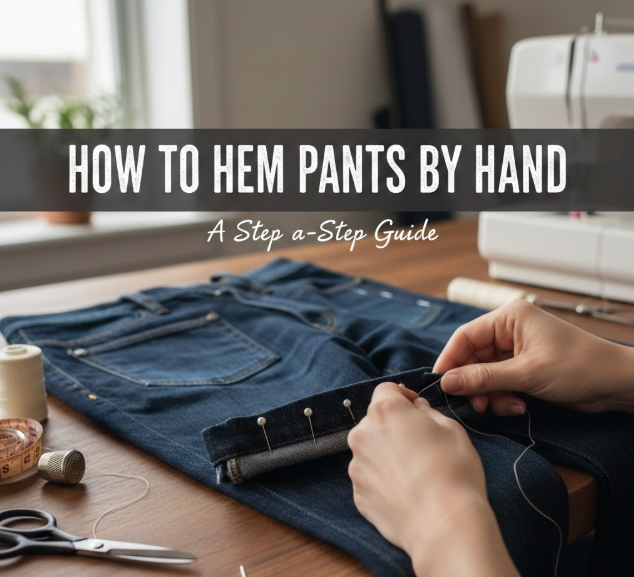
Hand-sewn hems are ideal for delicate fabrics, invisible finishes, or temporary adjustments. They provide precision and control without a machine.
Step-by-Step Hand Hemming Technique
• Prepare Pants by Washing and Pressing
Ensure pants are clean and flat to prevent shrinkage and uneven folds.
• Measure Desired Length
Use tailor’s chalk or pins to mark the new hemline accurately.
• Fold and Pin Hem
Double-fold the hem evenly and secure with straight pins or clips to hold fabric in place.
• Thread Needle and Knot
Use thread matching fabric color. Knot securely to prevent unraveling.
• Stitch Using Blind Hem or Slip Stitch
Work carefully along the inner fold for an invisible finish. Each stitch should grab a few threads of the pants without piercing the outer fabric.
• Press Hem After Completion
Iron the stitched hem to flatten folds and ensure a polished appearance.
Also Read:- How to Make Ice Cream: The Ultimate Guide for Beginners & Experts
How to Hem Pants with a Sewing Machine
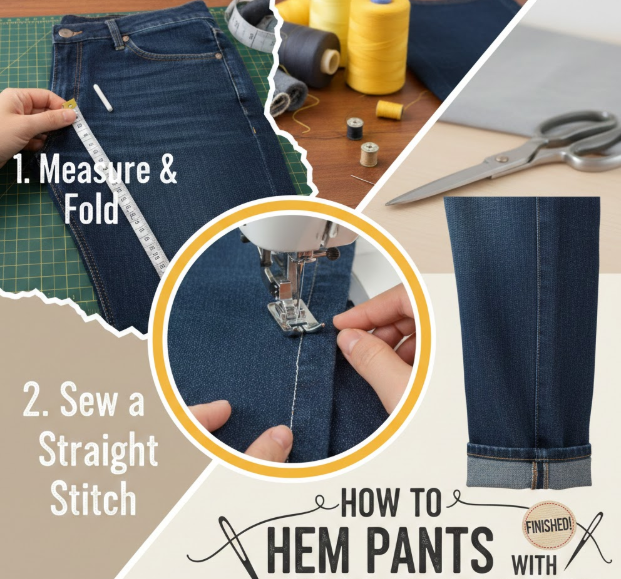
Machine hemming provides durability and is faster than hand sewing, suitable for everyday pants or jeans.
Step-by-Step Machine Hemming Process
• Prepare Fabric and Measure
Mark desired hemline with chalk or pins for accuracy.
• Fold and Pin
Double-fold or single-fold hem depending on fabric thickness.
• Select Thread and Stitch Type
Use a thread matching the pants color and choose a straight stitch or zigzag for stretch fabrics.
• Sew Slowly Along Hem Edge
Maintain consistent stitch length and tension to prevent puckering.
• Trim Excess Thread
Cut threads neatly to avoid fraying or bulk.
• Press Hem
Ironing ensures a professional, flat finish for polished pants.
Also Read:- How to Make Tea: The Complete Guide for Beginners and Connoisseurs
How to Hem Pants Without Cutting
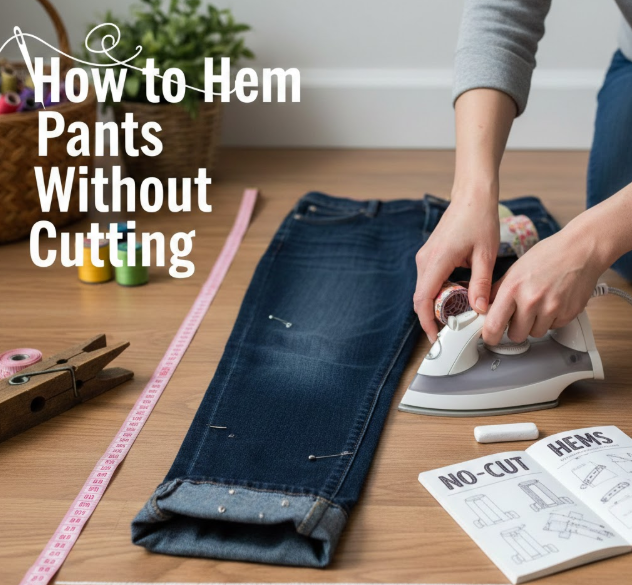
Sometimes you want to adjust the length without permanently altering the fabric.
Techniques for No-Cut Hemming
• Fold Hem and Secure with Pins
Temporary adjustment before sewing or pressing.
• Use Hem Tape
Bond fabric without stitching for reversible hemming.
• Tuck Under Excess Fabric
Double-fold for a neat, adjustable length.
• Use Iron to Set Crease
Press folds to hold fabric temporarily in place.
• Try Safety Stitching
Small hand stitches prevent slippage without cutting fabric.
• Check Length Before Final Fix
Test by wearing the pants with intended shoes to confirm length.
Also Read:- How to Cut Your Own Hair: A Complete Guide for Beginners
How to Hem Pants with Tape
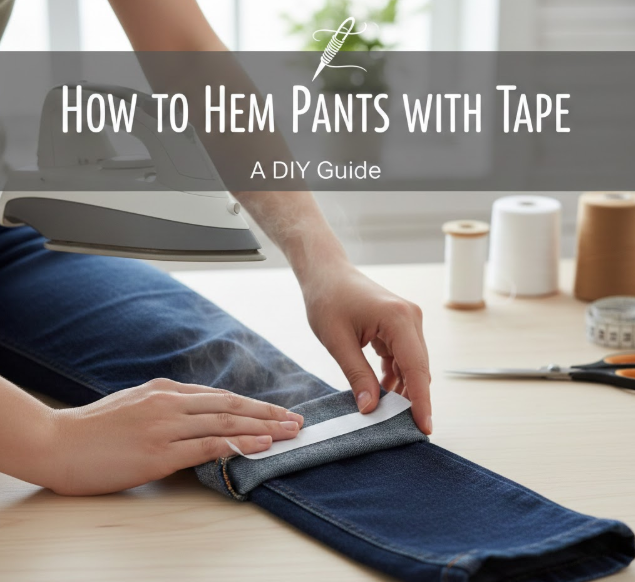
Hem tape is perfect for quick, temporary, or reversible adjustments.
Hem Tape Application Steps
• Measure Desired Length
Mark hemline with chalk or pins.
• Place Tape Between Folded Hem
Insert tape inside double-fold for secure adhesion.
• Press with Iron
Follow manufacturer instructions for heat and duration to bond tape.
• Check Fabric Type
Some delicate fabrics may require lower temperature to avoid damage.
• Allow Tape to Cool
Ensure adhesive sets properly before wearing or washing.
• Test Hem Strength
Gently tug to ensure tape holds for intended duration.
Also Read:- How to Open a Can Without a Can Opener: The Ultimate Guide
How to Hem Pants with Original Hem
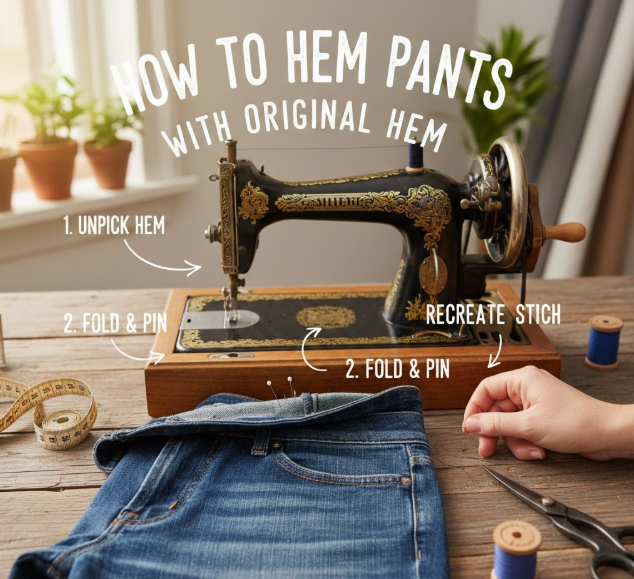
Maintaining the original hem is crucial for designer pants or pleated trousers.
Original Hem Preservation Steps
• Measure Length from Original Hem
Mark new hemline while preserving factory fold.
• Unpick Threads Carefully
Remove stitches without damaging fabric or fold.
• Refold and Pin
Align fabric carefully for re-stitching.
• Use Blind Stitch for Invisible Finish
Hand-stitch or machine-stitch along original hemline.
• Press Hem
Iron to flatten fold and restore original shape.
• Check Alignment
Ensure both legs match exactly in length and finish.
Also Read:- How to Bake a Cake: The Ultimate Step-by-Step Guide for Perfect Results Every Time
How to Hem Pants for Beginners
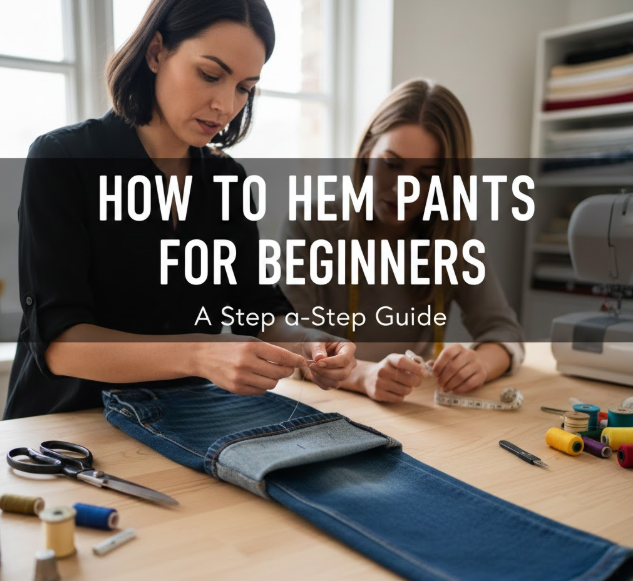
For first-time hem projects, simplicity and patience are key.
Beginner-Friendly Tips
• Start with Cotton or Denim Pants
Avoid delicate fabrics until confident.
• Use Straight Pins and Tailor Chalk
Helps guide accurate stitching.
• Practice on Old Pants
Build confidence and technique before working on valuable garments.
• Use Basic Straight Stitch
Avoid complex stitches until more experienced.
• Take Your Time
Rushing can lead to uneven hems or mistakes.
• Iron Frequently
Pressing as you go keeps folds crisp and fabric manageable.
Also Read:- How to Fix a Zipper: The Complete Guide for Every Clothing and Bag Issue
How to Hem Pants That Are Too Long
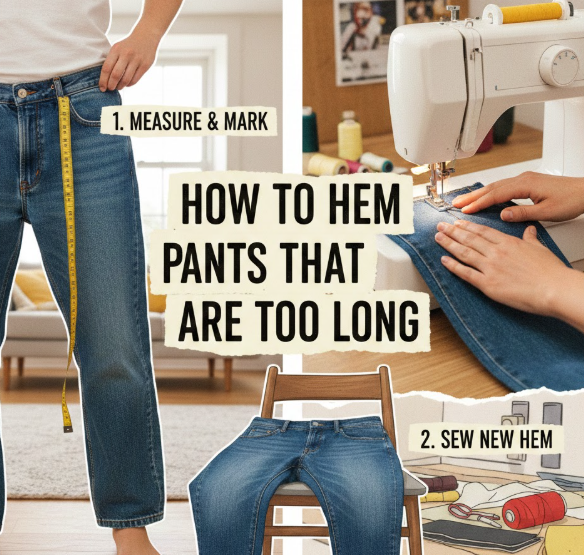
Pants that drag on shoes can fray or look sloppy. Proper hemming ensures a tailored appearance.
Hemming Long Pants Steps
• Measure Pants While Wearing
Wear intended shoes to determine ideal length.
• Mark Hemline
Use chalk for clear, visible marking.
• Add Seam Allowance
Extra fabric ensures flexibility for future adjustments.
• Fold and Pin
Secure folds evenly along marked line.
• Sew or Tape Hem
Choose hand, machine, or tape depending on fabric and purpose.
• Press and Finish
Iron to finalize shape and appearance.
Also Read:- How to File a Tax Extension: Complete Guide for Individuals and Businesses
How to Hem Pants at Home
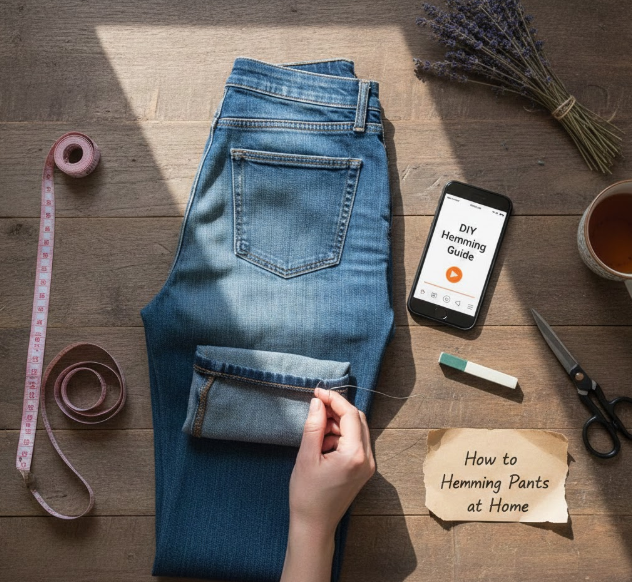
Hemming pants at home saves money and allows customization of length.
Home Hemming Essentials
• Gather Tools
Needle, thread, sewing machine, hem tape, scissors, pins, iron.
• Measure and Mark
Ensure consistent, accurate length.
• Choose Method
Hand sew, machine sew, tape, or original hem preservation.
• Prepare Workspace
Flat surface, well-lit, and comfortable setup improves accuracy.
• Sew or Bond Hem
Follow chosen technique carefully.
• Final Press
Iron for crisp, professional finish and long-lasting results.
Also Read:- How to Cancel Paramount Plus: Complete Guide
Conclusion
Mastering how to hem pants allows you to achieve professional, tailored looks without relying on expensive tailoring services. By understanding fabric behavior, measuring accurately, and using proper techniques—whether by hand, machine, tape, or original hem preservation—you can alter pants of all types confidently.
Whether adjusting long trousers, customizing pants for style, or hemming at home for beginners, these methods offer flexibility, precision, and efficiency. Following this 2026 guide ensures crisp, even hems every time.
FAQs
Can I hem jeans at home?
Yes, use a sewing machine with a denim needle and matching thread.
How do I preserve a designer hem?
Carefully unpick original stitches and re-stitch along factory fold.
Is hem tape permanent?
No, it is temporary or semi-permanent depending on adhesive type.
Can I hem pants without a machine?
Yes, hand sewing, tape, or folding methods work for all pants types.
How long does home hemming take?
Beginners may need 30–60 minutes per pair; experienced sewers can finish in 15–30 minutes.
For More Visit Alaikas.com