
If you’re restoring a deck, refinishing furniture, or updating cabinets, knowing how to strip paint from wood properly can save you time, money, and irreversible damage. Removing old paint is often the most important step in wood restoration, as improper stripping can gouge the surface, leave chemical residue, or compromise the wood grain.
Whether you’re dealing with peeling latex paint, stubborn oil-based coatings, or multiple old layers, this comprehensive guide explains how to strip paint from wood using safe, proven, and professional techniques. We’ll cover chemical paint strippers, sanding methods, heat guns, eco-friendly solutions, and specialized approaches for decks, furniture, cabinets, siding, and more.
Understanding How to Strip Paint from Wood Safely and Effectively
Before diving into tools and techniques, it’s important to understand what paint removal involves. Paint bonds to wood fibers in layers, and different types of paint (latex, acrylic, oil-based, lead-based) require different removal strategies.
Choosing the wrong method can damage wood grain, create toxic fumes, or leave residue that affects staining or repainting.
Six Foundational Principles Before You Start
• Identify the Type of Paint on the Wood Surface
Latex paint is water-based and typically easier to remove than oil-based coatings. If your home was built before 1978, there’s a risk of lead-based paint. In that case, EPA guidelines require specific safety precautions to avoid toxic exposure.
• Evaluate the Condition of the Wood Beneath the Paint
Softwoods like pine can gouge easily during sanding, while hardwoods like oak tolerate more aggressive removal techniques. Understanding the wood species helps determine the safest stripping approach.
• Choose the Appropriate Removal Method for the Surface Area
Large flat surfaces such as decks may require power sanding or chemical stripping, while intricate trim and furniture need precision tools and gentle techniques.
• Always Prioritize Ventilation and Safety Equipment
When learning how to strip paint from wood, safety is non-negotiable. Wear gloves, safety goggles, and a respirator mask. Ensure proper airflow, especially when using chemical paint removers or heat guns.
• Test a Small Section Before Full Application
Different paints react differently to strippers or heat. Always test a hidden area first to determine dwell time and scraping technique.
• Prepare for Proper Disposal of Paint Debris
Collect scraped paint chips carefully. If lead paint is suspected, follow local hazardous waste disposal regulations.
Also Read:- How to Strengthen Wrists: The Complete Expert Guide to Power, Stability, and Injury Prevention
How to Strip Paint from Wood Using Proven Techniques
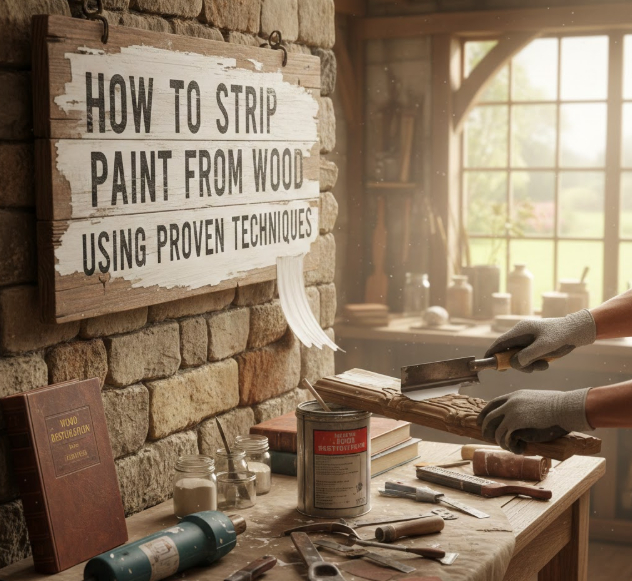
There are three primary ways to strip paint from wood: chemical stripping, sanding, and heat application. Each has its place depending on project type and desired finish.
Chemical Paint Stripping for Wood Surfaces
Chemical strippers dissolve paint layers, making them easier to scrape away. These are especially useful for detailed woodwork, carved furniture, and multi-layered coatings.
Six Key Steps for Chemical Stripping
• Select the Right Type of Paint Remover
There are solvent-based, caustic-based, and bio-based strippers. Modern low-VOC and citrus-based options are safer for indoor use. Choose a product appropriate for wood and compatible with the paint type.
• Apply a Thick, Even Layer of Stripper
Using a natural-bristle brush, apply generously. A thin coat may dry too quickly and become ineffective. Follow manufacturer instructions for dwell time.
• Allow Proper Dwell Time for Paint Breakdown
Most products require 15 minutes to several hours. Avoid scraping too early, as incomplete softening can damage wood.
• Use a Plastic or Metal Scraper Carefully
Hold the scraper at a shallow angle to avoid gouging. For intricate areas, use a brass brush or old toothbrush.
• Neutralize the Wood After Stripping
Some chemical removers require rinsing with water or mineral spirits. This prevents residue from affecting new finishes.
• Sand Lightly After Drying
Once fully dry, sand lightly with fine-grit sandpaper (180–220 grit) to smooth the surface and remove remaining residue.
Also Read:- How to Sew a Tie: The Complete Step-by-Step Guide for Beginners and Experts
A Mechanical Method for Paint Removal
Sanding physically abrades paint from wood and is ideal for flat surfaces like decks or siding.
Six Best Practices for Sanding Paint Off Wood
• Start with Medium-Grit Sandpaper
Use 80–120 grit to remove thick paint layers. Progress gradually to finer grits for smoothness.
• Use Power Sanders for Large Areas
Orbital sanders work well for flat surfaces. Belt sanders remove paint faster but require experience to prevent gouging.
• Hand Sand Detailed Areas Carefully
Corners, trim, and molding require hand sanding for control and precision.
• Avoid Excessive Pressure
Let the tool do the work. Pressing too hard creates uneven surfaces and deep scratches.
• Control Dust Properly
Wear a respirator and use a vacuum attachment if possible. Dust collection improves visibility and safety.
• Finish with Fine Grit for Smooth Preparation
Final sanding ensures the wood is ready for staining or repainting.
Also Read:- How to Setup AirTag: The Complete Step-by-Step Guide for Beginners and Experts
Heat Gun Technique for Removing Paint

Heat softens paint, allowing it to be scraped off easily. This method is effective for thick oil-based paint.
Six Heat Gun Guidelines
• Keep the Heat Gun Moving Constantly
Avoid overheating one spot, which can scorch wood.
• Use Medium Heat Settings
Excessive heat can release toxic fumes or burn wood fibers.
• Scrape Immediately After Softening
Paint should bubble and lift easily when ready.
• Work in Small Sections
Focus on manageable areas to maintain control.
• Avoid Using Near Flammable Materials
Heat guns can ignite dust or nearby materials.
• Sand Lightly Afterward
Smooth the surface once all paint is removed.
Also Read:- How to Make Pasta: The Complete Step-by-Step Homemade Guide
How to Strip Paint from Wood Deck
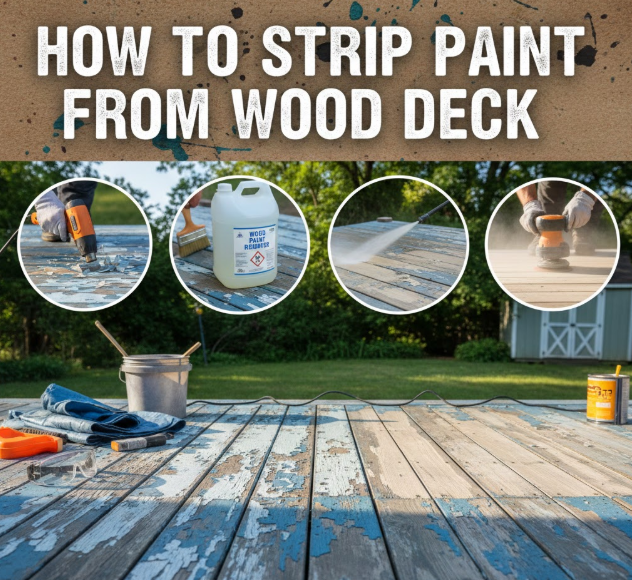
Decks are large exterior surfaces exposed to weather, making stripping more complex.
Six Steps for Deck Paint Removal
• Use a deck-specific chemical stripper
• Apply with a pump sprayer for even coverage
• Scrub with a stiff-bristle brush
• Rinse thoroughly with pressure washer (low PSI)
• Allow complete drying
• Sand lightly before sealing
Also Read:- How to Hem Pants: The Complete 2026 Guide for Beginners and Experts
How to Strip Paint from Wood Furniture

Furniture requires delicate handling to preserve grain and detailing.
Six Best Practices for Furniture
• Choose a gentle chemical stripper
• Protect intricate carvings
• Use plastic scrapers
• Neutralize carefully
• Allow proper drying time
• Apply wood conditioner before refinishing
Also Read:- How to Fill Out a Check: The Complete 2026 Step-by-Step Guide
How to Strip Paint from Wood Cabinets
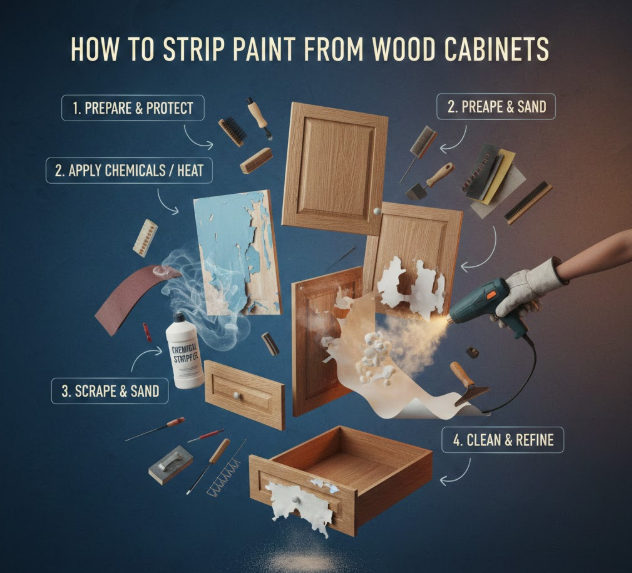
Cabinets often have grease buildup that complicates paint removal.
Six Essential Cabinet Steps
• Degrease thoroughly first
• Remove hardware
• Apply gel stripper
• Scrape carefully
• Sand lightly
• Prime or stain after preparation
Also Read:- How to Make Ice Cream: The Ultimate Guide for Beginners & Experts
How to Strip Paint from Wood Trim
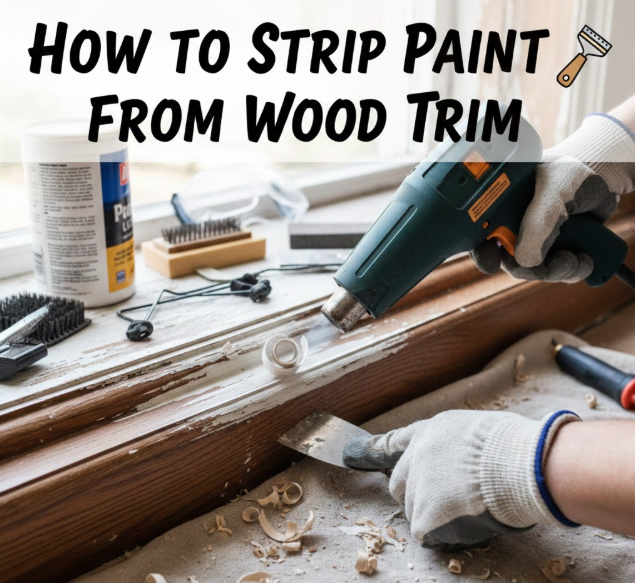
Trim features delicate molding details.
Six Trim Removal Tips
• Use chemical stripper over sanding
• Apply with precision brush
• Use dental tools for crevices
• Avoid aggressive sanding
• Clean residue thoroughly
• Prime before repainting
Also Read:- How to Make Tea: The Complete Guide for Beginners and Connoisseurs
How to Strip Paint from Wood Siding
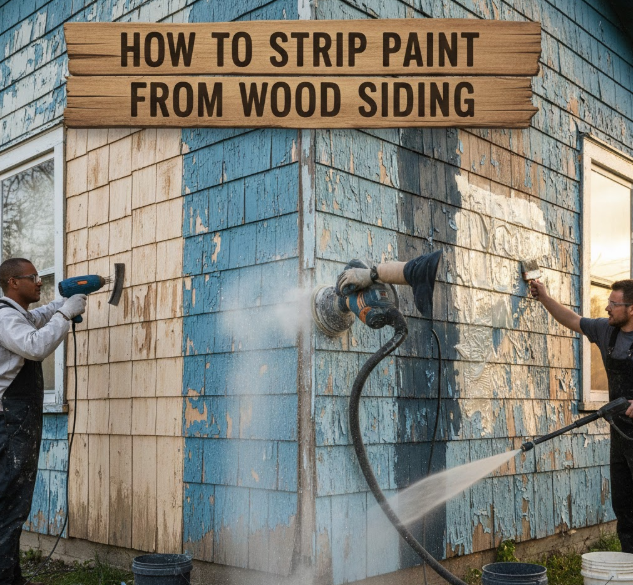
Exterior siding requires weather-resistant techniques.
Six Siding Guidelines
• Test for lead paint
• Use heavy-duty stripper
• Scrape manually
• Avoid high-pressure damage
• Repair damaged boards
• Prime before repainting
Also Read:- How to Cut Your Own Hair: A Complete Guide for Beginners
How to Strip Paint from Wood Door
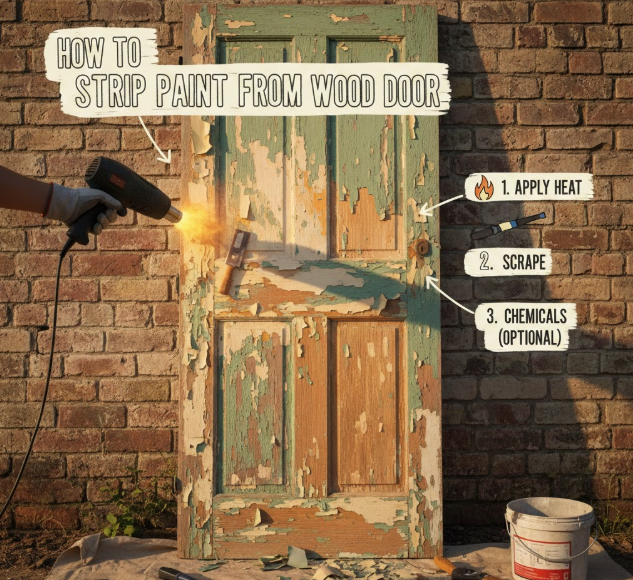
Doors experience wear and require even stripping.
Six Door Restoration Steps
• Remove from hinges
• Lay flat for stability
• Apply chemical stripper
• Scrape evenly
• Sand smooth
• Refinish evenly
Also Read:- How to Open a Can Without a Can Opener: The Ultimate Guide
How to Strip Paint from Wood Fence
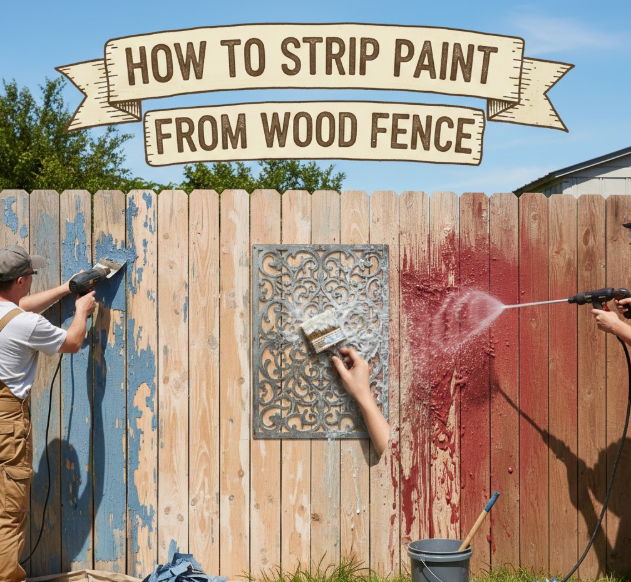
Fences require large-scale exterior solutions.
Six Fence Stripping Tips
• Use outdoor-safe stripper
• Work in sections
• Scrub deeply
• Rinse carefully
• Allow sun drying
• Seal or stain promptly
Also Read:- How to Bake a Cake: The Ultimate Step-by-Step Guide for Perfect Results Every Time
How to Strip Paint from Wood Paneling
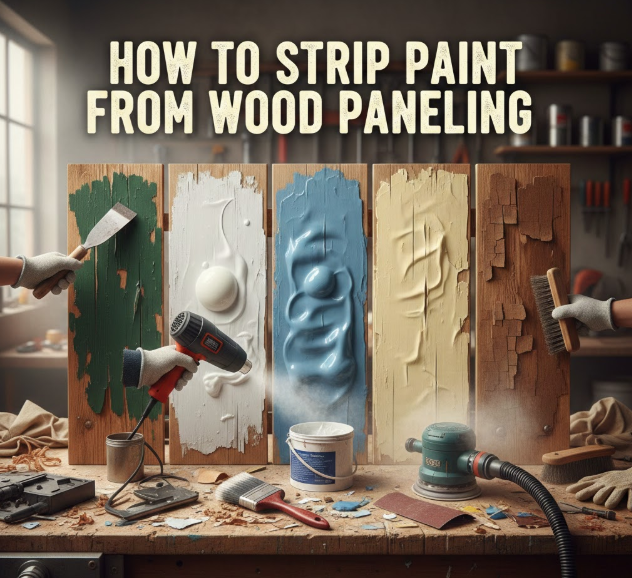
Paneling requires careful approach to avoid fiber damage.
Six Paneling Strategies
• Test small section
• Use gel stripper
• Scrape gently
• Sand lightly
• Repair veneer damage
• Apply fresh finish
Also Read:- How to Fix a Zipper: The Complete Guide for Every Clothing and Bag Issue
Conclusion
Learning how to strip paint from wood properly ensures a smooth, clean surface ready for refinishing. Whether you’re working on a deck, furniture, cabinets, trim, siding, or fencing, selecting the correct method protects the integrity of the wood and enhances final results.
Always prioritize safety, choose the right tools, and work patiently. With proper technique, you can transform painted wood into a beautifully restored surface that lasts for years.
FAQs
What is the easiest way to remove paint from wood?
Chemical strippers are often easiest for beginners.
Can I strip paint without chemicals?
Yes, sanding or heat guns can work depending on paint type.
Is it safe to strip old paint?
Test for lead if the paint predates 1978.
How long does the process take?
Small projects may take hours; large decks can take days.
Should I sand after stripping?
Yes, light sanding ensures smooth finishing.
For More Visit Alaikas.com