Learning how to sew a tie is a rewarding sewing project that combines craftsmanship, creativity, and practical fashion skills. Whether you want to create a classic necktie, a custom gift, a tie-front shirt, or decorative tie straps, sewing your own tie allows you to control fabric choice, width, structure, and finish.
A handmade tie reflects attention to detail. Unlike mass-produced versions, custom ties can be tailored to specific occasions—weddings, business meetings, holidays, or everyday wear. Many professional tailors use silk, wool, cotton, or linen, carefully cutting fabric on the bias to ensure flexibility and elegant drape.
Understanding How to Sew a Tie Properly: Materials and Preparation
Before beginning, understanding structure and materials is essential.
• Choose the Right Fabric
Traditional neckties are made from silk because of its elegant drape and sheen. However, cotton, wool, linen, or even lightweight denim can be used depending on the desired look.
Fabric should be cut on the bias (at a 45-degree angle to the grain). This allows the tie to stretch slightly and hang smoothly without twisting.
• Select Interfacing for Structure
Interfacing gives the tie body and shape. Lightweight wool or cotton interlining is common in professional tailoring.
Avoid overly stiff interfacing, as it prevents proper knot formation.
• Use a Proper Tie Pattern
A pattern ensures correct dimensions. Standard adult ties are approximately 58–60 inches long and 3–3.5 inches wide at the blade.
Patterns can be purchased or drafted manually.
• Gather Sewing Tools
You’ll need sharp fabric scissors, pins, thread matching your fabric, a sewing machine (optional), hand sewing needle, measuring tape, and iron.
• Understand Bias Cutting
Bias cutting enhances drape and flexibility. Always align pattern pieces diagonally across fabric grain.
• Press Carefully During Construction
Pressing seams as you sew ensures crisp lines and professional results.
Also Read:- How to Setup AirTag: The Complete Step-by-Step Guide for Beginners and Experts
How to Sew a Tie Easy: Simplified Beginner Method
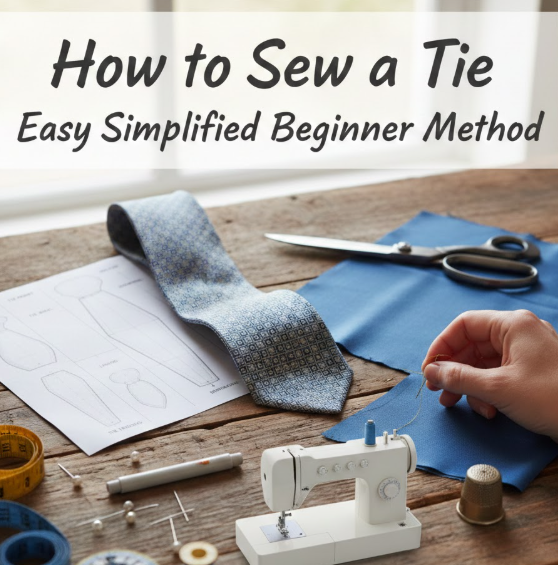
If you’re wondering how to sew a tie easy, this streamlined method reduces complexity while maintaining quality.
• Cut Fabric Using Simple Pattern
Use a basic two-piece pattern rather than multi-panel designs.
• Attach Interfacing
Place interfacing centered on wrong side of fabric.
• Fold Edges Inward
Fold long edges toward center, meeting in middle.
• Stitch Slip Seam
Hand stitch center seam using invisible slip stitch.
• Create Keeper Loop
Sew small fabric strip on back to hold tail end.
• Final Pressing
Press carefully to maintain clean shape.
Also Read:- How to Make Pasta: The Complete Step-by-Step Homemade Guide
How to Sew a Tie Step by Step: Professional Construction Method
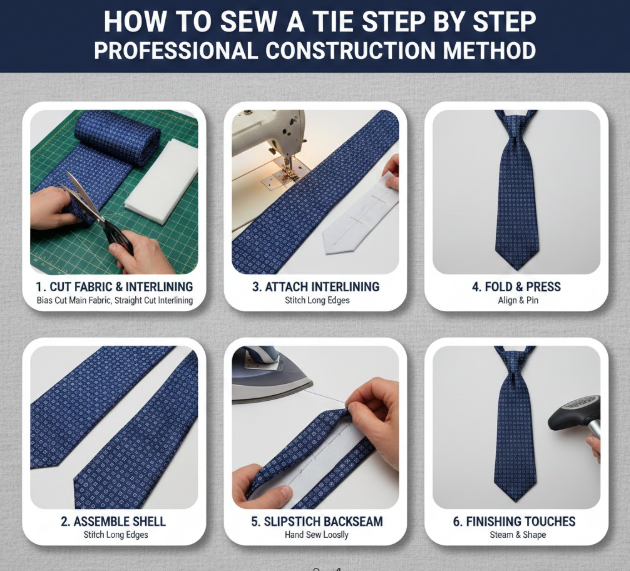
This is the traditional method used by skilled tailors.
• Cut Three Bias Panels
Professional ties often use three sections: blade, neck, and tail.
• Sew Panels Together
Join pieces using diagonal seams to maintain flexibility.
• Insert Interlining
Place interlining inside tie body.
• Fold and Pin Edges
Fold edges symmetrically toward center.
• Hand Sew Slip Stitch
Use ladder stitch to close back seam invisibly.
• Add Bar Tack and Keeper
Secure tip with bar tack stitch for durability.
Also Read:- How to Hem Pants: The Complete 2026 Guide for Beginners and Experts
How to Sew a Tie by Hand: Traditional Craftsmanship
Hand-sewing creates luxurious results.
• Use Fine Needle and Silk Thread
Ensures delicate stitching.
• Apply Slip Stitch Technique
Creates invisible closure.
• Avoid Tight Tension
Loose tension allows tie to stretch slightly.
• Reinforce Stress Points
Secure both ends carefully.
• Press Gently
Avoid crushing fabric texture.
• Inspect Symmetry
Ensure both sides align perfectly.
Also Read:- How to Fill Out a Check: The Complete 2026 Step-by-Step Guide
How to Sew a Tie Pattern: Drafting and Customization
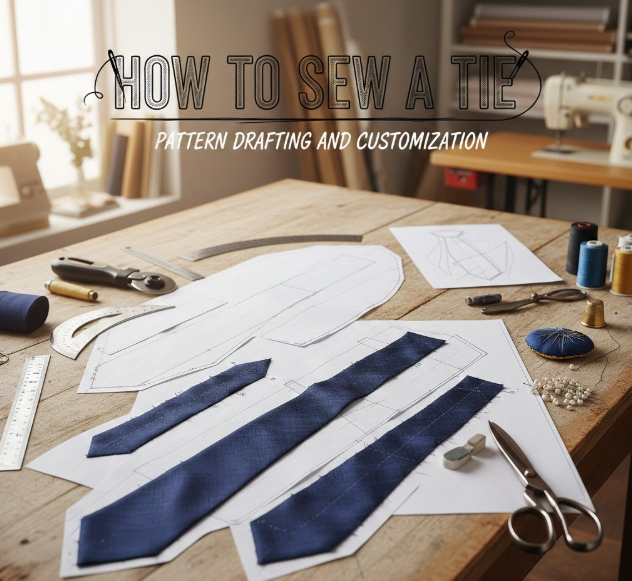
Drafting your own tie pattern allows customization.
• Measure Desired Length
Standard length suits most adults, but adjust if needed.
• Determine Blade Width
Modern ties range 2.5–3.5 inches wide.
• Draw Bias Lines
Ensure pattern aligns diagonally.
• Add Seam Allowance
Include ¼ to ½ inch seam allowance.
• Cut Muslin Test Version
Test fit before final fabric.
• Refine Pattern
Adjust based on drape and fit.
Also Read:- How to Make Ice Cream: The Ultimate Guide for Beginners & Experts
How to Sew a Tie Strap: Functional and Decorative Applications
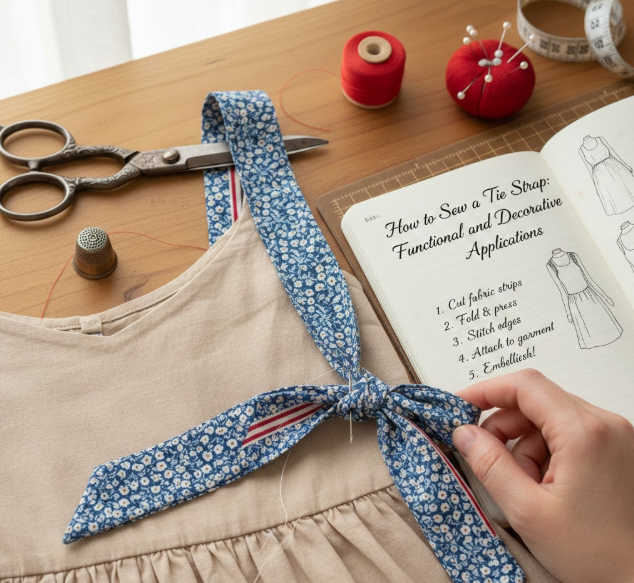
Tie straps are common in dresses, aprons, and bags.
• Cut Narrow Fabric Strips
Width depends on project needs.
• Fold and Press
Fold raw edges inward.
• Topstitch Edges
Sew along both sides for strength.
• Reinforce Attachment Points
Secure straps with backstitching.
• Adjust Length
Ensure comfortable tying.
• Match Fabric Weight
Use appropriate fabric thickness.
Also Read:- How to Make Tea: The Complete Guide for Beginners and Connoisseurs
How to Sew a Tie for Beginners: Confidence-Building Techniques
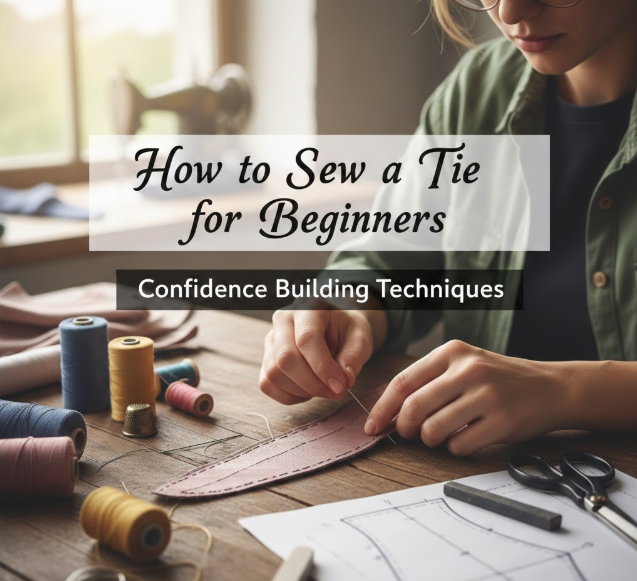
Beginners benefit from structured guidance.
• Start with Cotton Fabric
Cotton is easier to handle than silk.
• Use Simple Pattern
Avoid complex multi-panel designs initially.
• Practice Bias Cutting
Test on scrap fabric.
• Sew Slowly
Precision matters more than speed.
• Watch Alignment
Symmetry is critical for professional look.
• Learn from Mistakes
Each tie improves skill level.
Also Read:- How to Cut Your Own Hair: A Complete Guide for Beginners
How to Sew a Tie Front Shirt: Fashion Variation
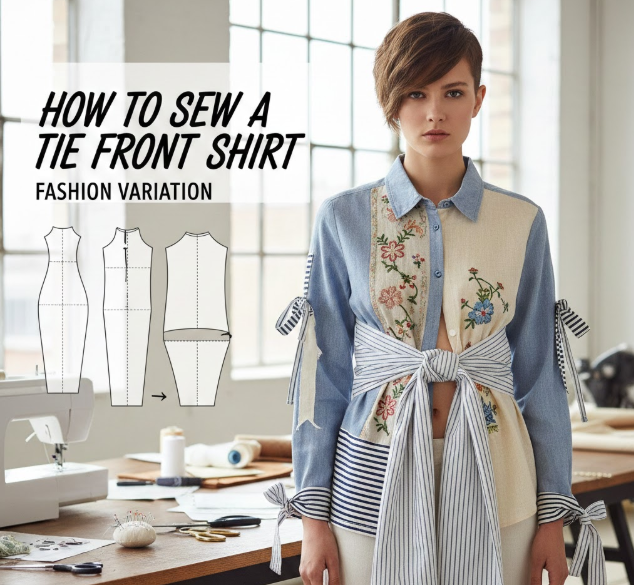
Tie-front shirts add stylish flair.
• Modify Shirt Pattern
Extend front panels to create tie ends.
• Reinforce Tie Ends
Use interfacing for structure.
• Hem Tie Edges
Ensure clean finish.
• Attach Securely
Sew reinforced seam at base.
• Balance Proportions
Tie length should complement garment style.
• Style Versatility
Can be casual or formal depending on fabric.
Also Read:- How to Open a Can Without a Can Opener: The Ultimate Guide
Conclusion
Learning how to sew a tie combines artistry and technical precision. From easy beginner methods to professional bias-cut construction, creating a handmade tie allows personalization and superior craftsmanship.
Whether sewing a classic necktie, tie strap, or tie-front shirt, following structured steps ensures professional results. With practice, patience, and proper pressing, your handmade tie can rival designer brands.
FAQs
How long does it take to sew a tie?
Beginners: 2–3 hours. Experienced sewists: 1–2 hours.
Can I sew a tie without a machine?
Yes, hand sewing creates traditional high-quality finish.
What fabric is best?
Silk for elegance, cotton for beginners.
Why cut on the bias?
Improves drape and flexibility.
Can I customize tie width?
Yes, adjust pattern to preferred style.
For More Visit Alaikas.com